Unleash Human Potential


Aα-MSH is like a hormone that affects the immune system and can help with skin inflammation. It does this by binding to certain receptors in the skin.
It turns out that just three amino acids at the end of this hormone, called KPV, are responsible for its anti-inflammatory powers. KPV doesn’t have the full sequence needed to bind to those skin receptors, but it can still calm down inflammation almost as effectively as the full hormone.
The cool thing is that these tiny amino acid sequences can act like messengers, carrying information from one part of your body to another through your bloodstream.
KPV is particularly helpful because it doesn’t cause changes in your skin color like the full hormone. It’s also smaller and tougher, making it a great option for treating skin conditions that involve inflammation.
So, in simple terms, KPV is like a powerful, but tiny, ingredient that can soothe irritated skin without causing side effects, and it could be a useful treatment for certain skin problems in the future.
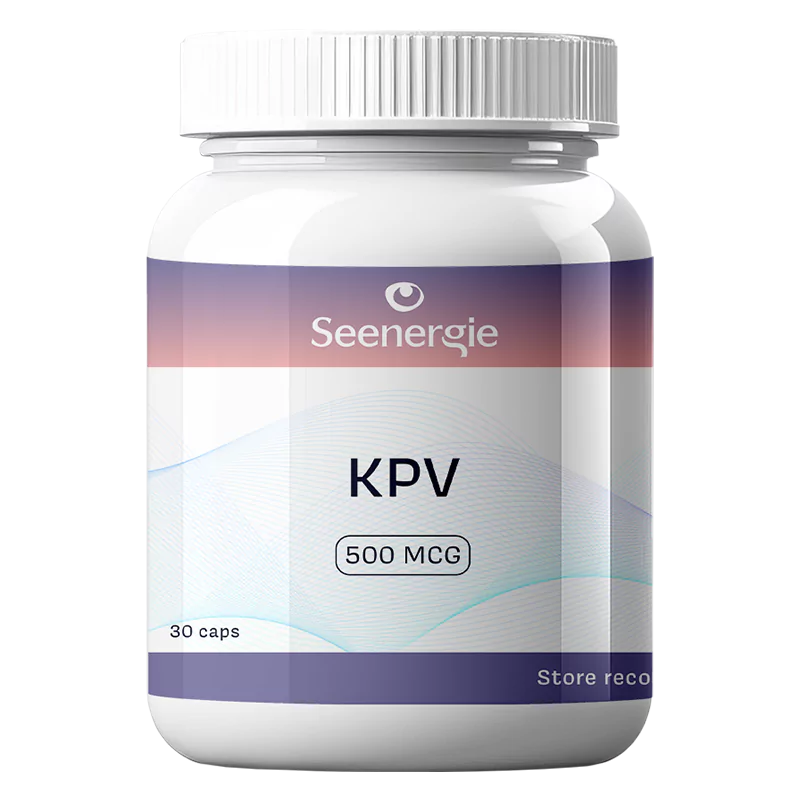
Provided as 500 mcg/capsule, 30 capsules per bottle
*Provided as a standard protocol, dose may vary depending on the condition of the patient.
*The dosage of KPV may be adjusted based on the individual’s response, medical history, and specific treatment goals.
KPV is a tripeptide derivative of the alpha-melanocyte-stimulating hormone (α-MSH), showing significant promise in treating inflammatory and autoimmune disorders. Administered orally, KPV can modulate immune responses and reduce inflammation effectively.
KPV exerts its anti-inflammatory effects by interacting with the melanocortin receptors (MCRs), particularly MC1R and MC3R. This interaction inhibits the production of pro-inflammatory cytokines such as TNF-alpha and IL-6, and reduces the activity of nuclear factor kappa-light-chain-enhancer of activated B cells (NF-κB). These actions collectively diminish inflammatory responses and promote tissue healing.
Studies have shown that KPV effectively reduces symptoms and histological markers of inflammation in murine models of IBD. Oral administration of KPV led to earlier recovery, significant weight regain, and reduced inflammatory infiltrates in colonic tissue, confirmed by decreased myeloperoxidase (MPO) activity . Research indicates that KPV can alleviate symptoms of contact dermatitis by reducing inflammation and histological damage. This suggests its potential for treating skin conditions characterized by inflammation and immune dysregulation.
Gastrointestinal Inflammation: KPV has shown efficacy in treating various forms of gastrointestinal inflammation. Oral administration in animal models reduced the severity of inflammation, improved epithelial cell function, and enhanced barrier integrity in the gut . Anti-Microbial Effects: KPV also exhibits antimicrobial properties, effectively inhibiting the growth of pathogens such as Staphylococcus aureus and Candida albicans. This dual action of anti-inflammatory and antimicrobial effects highlights KPV’s therapeutic potential in treating infections and associated inflammatory conditions.
Intriguingly, studies suggest that KPV may have led to a reduction in the production of these cytokines, in particular, IL-6 and IL-12. Researchers also tested how KPV may affect IL-10, the key anti-inflammatory cytokine, since inflammation involves a balance between pro- and anti-inflammatory cytokines.
KPV is a tripeptide (Lys-Pro-Val), which possesses anti-inflammatory properties; however, its mechanisms of action still remain unknown. PepT1 is a di/tripeptide transporter normally expressed in the small intestine and induced in colon during inflammatory bowel disease (IBD). The aim of this study was to 1) investigate whether the KPV anti-inflammatory effect is PepT1-mediated in intestinal […]
You want to know which peptides are good for gut health and brain fog? BPC 157, KPV Peptide, Dihexa, or maybe GHK-Cu. Check out my new video to know which of these peptides is recommended by Dr. Neil Paulvin.
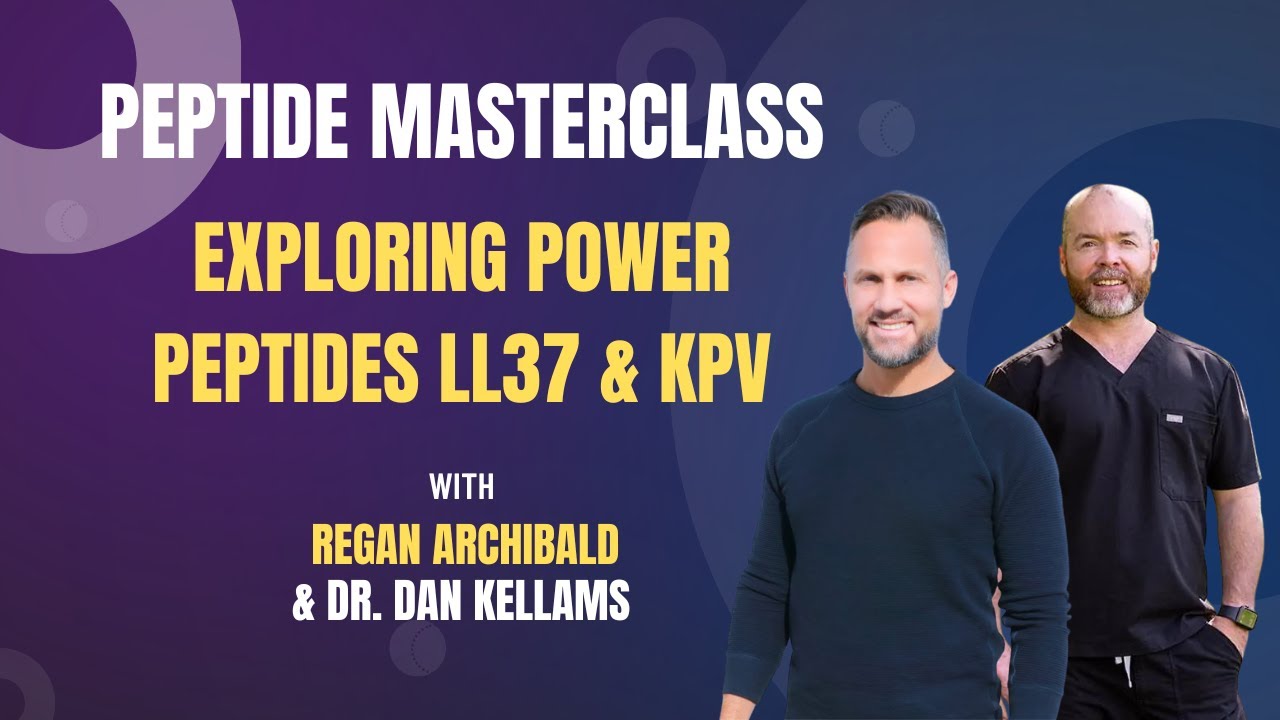
In this week’s episode, Regan Archibald and Dan Kellams explore the power of peptides LL37 and KPV to help remove biotoxin drag and increase energy. These two peptides are an essential tool in combating infections and healing your patients.
Unleash Human Potential