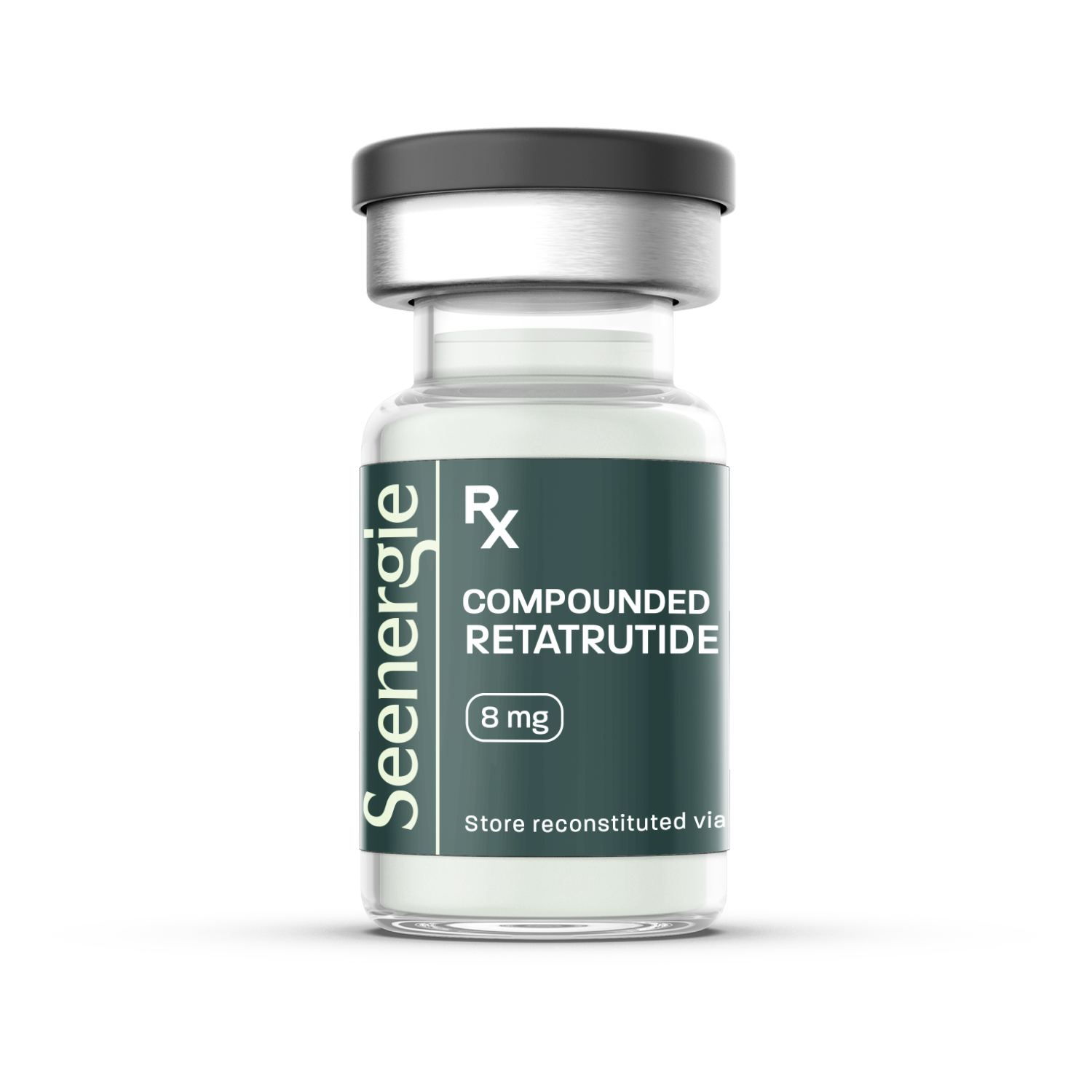
Retatrutide

Retatrutide is a next-generation triple hormone receptor agonist (GLP-1, GIP, and GCGR) that delivers unprecedented results in weight loss, metabolic improvement, and type 2 diabetes management.

Active ingredient:

GLP-1, GIP, and GCGR receptors

Molecular formula:

C192H296N52O60

Molecular weight:

~4361.8 g/mol

Intake:

Injection

Retatrutide

Active ingredient:

GLP-1, GIP, and GCGR receptors

Molecular formula:

C192H296N52O60

Molecular weight:

~4361.8 g/mol

Intake:

Injection

What is

Retatrutide

Retatrutide is a groundbreaking triple glucagon hormone receptor agonist, targeting GLP-1, GIP, and GCGR receptors. This multi-faceted action makes it a powerful tool for metabolic health. It works by suppressing appetite, increasing feelings of fullness, boosting energy expenditure, and improving metabolic function. Clinical trials have shown significant weight loss (up to 24%) and improvements in glycemic control, liver fat, and insulin sensitivity, offering a comprehensive approach to obesity and type 2 diabetes management.

Benefits

  • Supports dramatic weight loss (up to 24% in trials)
  • Suppresses appetite and prolongs satiety
  • Boosts energy expenditure via glucagon receptor activation
  • Improves glycemic control and insulin sensitivity
  • Reduces liver fat and improves cardiometabolic health
  • May help prevent obesity-related complications

Protocols

  • Available as:
    – 4mg/vial
    – 8mg/vial
    – 20mg/vial

  • Weeks 1–4:

    • Type 2 Diabetes: 0.5 mg (0.12ml or 12.5 units) weekly

    • Obesity without Diabetes: 1 mg (0.25ml or 25 units) weekly

  • Weeks 5–8: Increase to 2–4 mg weekly

  • Weeks 9–12: Increase to 4–8 mg weekly

  • Maintenance: Adjust monthly based on patient response and tolerance

Doses may vary based on the individual’s condition, medical history, and physician recommendations.

  • Not recommended during pregnancy or breastfeeding unless directed by a healthcare provider
  • Caution in patients with history of pancreatitis, medullary thyroid carcinoma, or MEN2 syndrome
  • Avoid concurrent use with other GLP-1 agonists without medical supervision

  • Baseline assessment of weight, HbA1c, and lipid profile
  • Regular follow-ups to monitor efficacy and adjust dosage
  • Commitment to a healthy lifestyle (diet & exercise) to optimize results

Procedure

Reconstitution

  • Draw 2 ml of sterile water for injection into a syringe.
  • Inject the sterile water into the vial.
  • Gently swirl the vial until the peptide is fully dissolved.

  • Administer subcutaneously (abdomen, thigh, or upper arm) once weekly
  • Rotate injection sites to minimize irritation

  • Keep unused vials refrigerated at 2–8°C
  • Do not freeze; protect from light

Clinical Research

Study:

Source:

Results:

  • In a phase 2 trial, participants achieved mean weight reductions of 17–24%, surpassing existing GLP-1 agonist outcomes
  • Showed significant improvements in HbA1c, fasting glucose, and lipid profiles
  • Reduced liver fat content and improved insulin sensitivity
  • Well tolerated with gastrointestinal side effects similar to other incretin-based therapies

Read More: